
You can add serious muscle without gaining a layer of unwanted belly fat. To execute a successful clean bulking plan, you only need a small daily energy surplus of 300 calories and 0.8 grams of protein per pound of body weight. This exact approach forces your body into muscle hypertrophy while keeping your waistline tight.
How many calories should I eat to bulk without getting fat?
To gain lean tissue without adding storage fat, find your maintenance calories and add exactly 300 calories per day. If a 180-pound man burns 2,500 calories sitting still and moving around, his new target is 2,800 calories daily. This slow rate of weight gain keeps your extra body mass limited to about 0.5 pounds per week, which is the maximum amount of new tissue a natural lifter can build.
Eating 1,000 extra calories a day does not speed up growth. Your liver and muscle cells can only synthesize a set amount of tissue each 24 hours, so every extra calorie past that limit turns straight into fat. Stick to these specific numbers every day of the week to stay lean:
- Target rate of weight gain: 0.5 pounds every 7 days
- Daily calorie surplus: 300 calories over baseline
- Daily protein intake: 0.8 to 1.0 grams per pound of weight
- Daily fat intake: 0.4 grams per pound of weight
- Daily carbohydrate intake: Fill the rest of your target calories
How to set your daily protein and macros
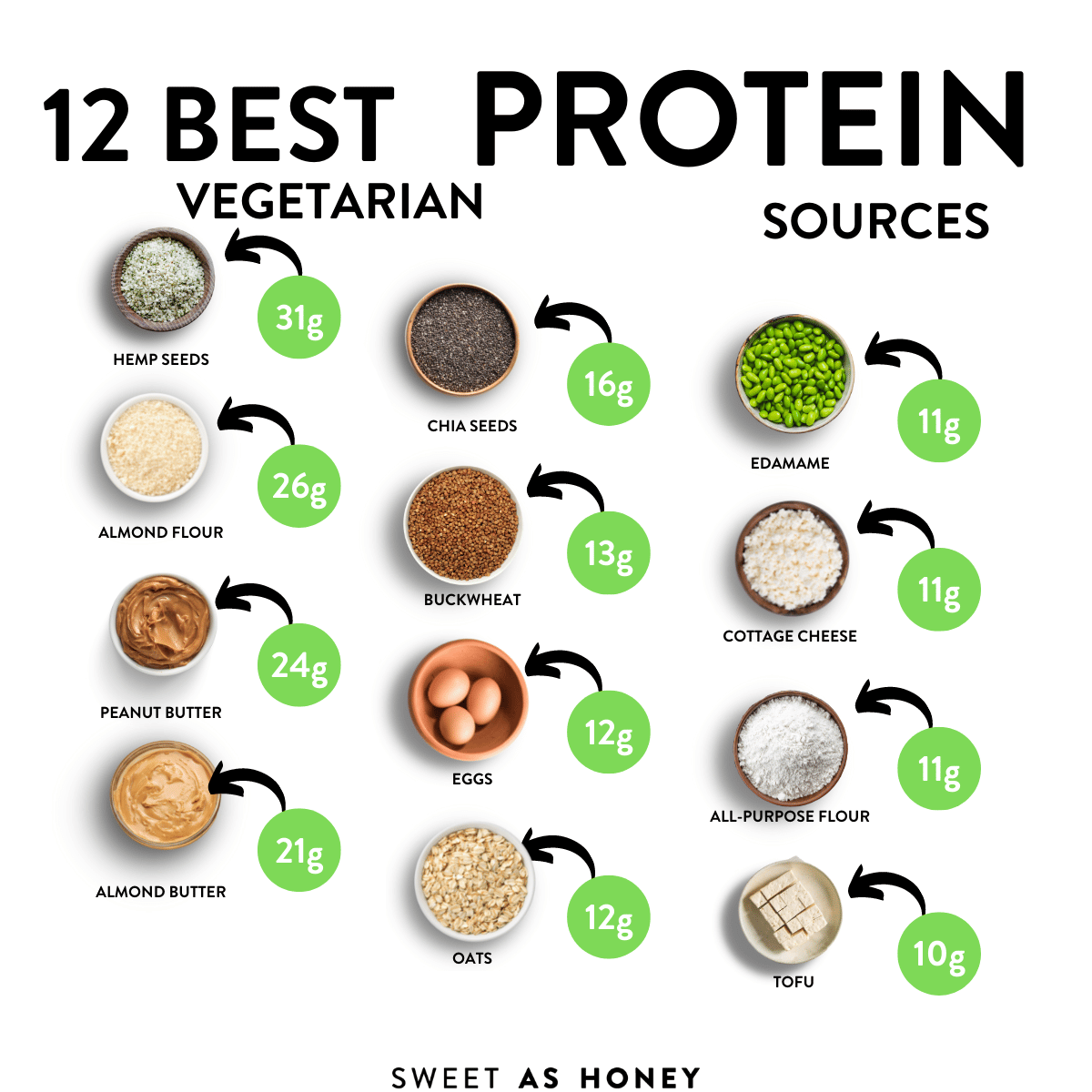
Hit your precise target for protein before you worry about any other nutrient. Take your total body weight in pounds and multiply it by 0.8. A 160-pound lifter needs 128 grams of total protein each day, which equals about four chicken breasts or four scoops of whey powder. Set your fats at 0.4 grams per pound to keep your hormones working right, then fill every remaining calorie with clean carbohydrates like rice and oats.
Carbohydrates fuel your hardest efforts in the gym and stop your body from burning up existing tissue for energy. A meal of 80 grams of cooked rice and 6 ounces of sirloin steak 2 hours before your workout gives your system the exact glycogen it needs to push heavier weights. Skip the fast food dirty bulk meals, because high-fat, high-sugar combos get stored as body fat much faster than clean whole foods.
How to train for lean muscle growth
You must give your body a hard reason to direct those extra 300 calories toward your chest and arms instead of your gut. Train each major body part two times every week using heavy compound exercises like the squat, bench press, overhead press, and barbell row. Keep your total work to 12 to 15 hard sets per muscle group every 7 days, taking each set within 2 reps of total failure.
Track every single workout in a notebook or on your phone so you can apply progressive overload over time. If you lift 185 pounds on the bench press for 8 reps today, your goal next week is 185 pounds for 9 reps, or 190 pounds for 8 reps. Without this tiny increase in workload, those extra 300 daily calories simply collect on your waistline regardless of how clean your food sources are.
Track your progress to stop fat gain early
Weigh yourself every morning after using the bathroom and before eating or drinking anything. Write the number down, add the numbers up at the end of the week, and divide by 7 to get your true average weight. Compare your weekly averages rather than daily numbers, because water weight changes fast based on salt intake and stress levels.
If your weekly average rises faster than 0.5 pounds per week over a 14-day period, drop your daily intake by 150 calories immediately. If your average weight stays flat for two full weeks and your gym weights are going up, add 150 calories to your daily target. Small adjustments keep your gains clean and save you from spending months cutting off excess fat later.



0 Comments