
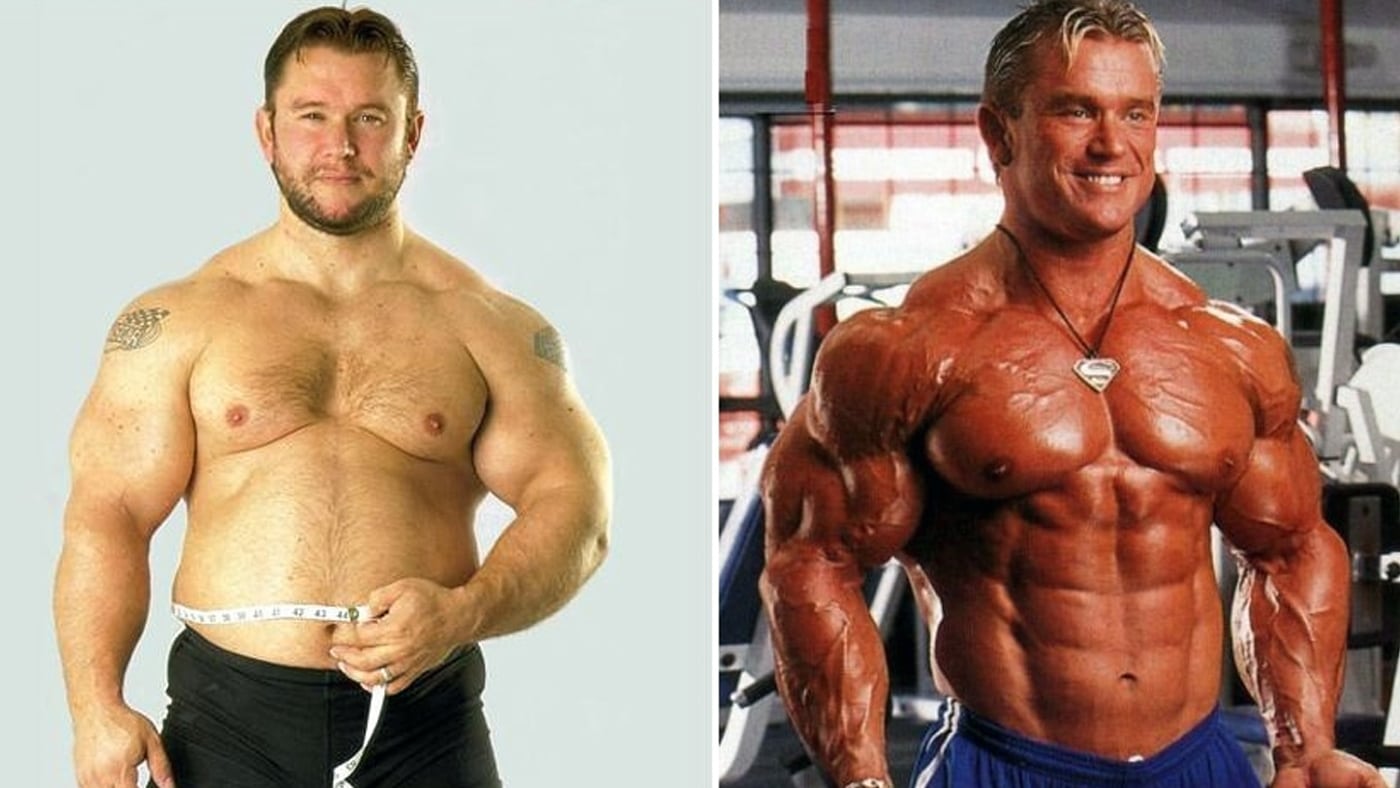
A smart bulking plan without getting fat requires a small daily caloric surplus of 300 to 500 calories above your maintenance level. You do not need to eat thousands of extra calories to build strong muscle. Eating too much food only adds soft body fat that you will have to strip off later.
How Many Calories Do You Need for a Clean Bulk?
First, find your maintenance calories by multiplying your total body weight in pounds by 15. If you weigh 170 pounds, your maintenance target is 2,550 calories each day. Add 300 calories to this number to get your daily bulking goal of 2,850 calories. This small boost gives your body all the energy it needs to build new muscle tissue without storing extra fat around your waist.
Track your scale weight every single morning after using the bathroom. You want to see your weight go up by 0.5 pounds per week. If you gain two pounds in one week, you are eating too much food and gaining fat. If your weight stays the same for two weeks, add 100 calories to your daily target.
How Much Protein, Carbs, and Fat Should You Eat?
Getting your macronutrients right keeps your body in an anabolic state. You need specific amounts of protein for muscle repair, carbohydrates for hard gym performance, and healthy fats for hormone production.
Set your daily targets using these exact math formulas:
- Protein: Eat 1.0 gram per pound of body weight. A 170 pound lifter needs 170 grams of protein daily.
- Fats: Eat 0.4 grams per pound of body weight. A 170 pound lifter needs 68 grams of fat daily.
- Carbohydrates: Fill all your remaining daily calories with carbs. For a 2,850 calorie goal, this means around 390 grams of carbs daily.
What Foods Should You Eat on a Lean Bulk?
Whole foods make it easy to control your hunger and stick to your exact numbers. Base your meals around chicken breast, lean ground beef, eggs, white rice, oats, sweet potatoes, and olive oil. Processed junk food makes you hold extra water and makes it very easy to overeat your daily calorie limit.
Timing your meals helps your energy levels in the gym. Eat a solid meal with 40 grams of protein and 80 grams of carbohydrates two hours before your workout. Eat another meal with the same setup right after you finish lifting. This delivers amino acids and glycogen directly to your working muscle cells when they need it most.
How Do You Train to Turn Food Into Muscle?
Eating extra calories will only make you fat if you do not force your body to grow. You must lift heavy weights four or five days every week. Focus on big compound exercises like the barbell squat, bench press, overhead press, and Romanian deadlift.
Use the rule of progressive overload in your training to guarantee new growth. Write down every weight you lift and every rep you complete in a notebook. Try to add one extra rep or two pounds to the bar every single week. If your strength goes up while your weight increases slowly, you are building pure muscle.
How Do You Know if Your Bulk Is Working?
Use a simple tape measure once every two weeks in the morning. Measure your chest, your arms, and your waist right at the belly button. Your chest and arms should get larger over time, while your waist measurement stays almost the exact same size.
If your waist grows by more than half an inch in a single month, drop your daily food intake by 200 calories immediately. Take photos in the exact same lighting every four weeks to track your real progress visually. Pick your target numbers today, write them down, and hit your target calories before you go to sleep tonight.



0 Comments